


HeartSave myPAD Intended Use
Chapter 3 - Equipment Usage Guidelines and Limitations
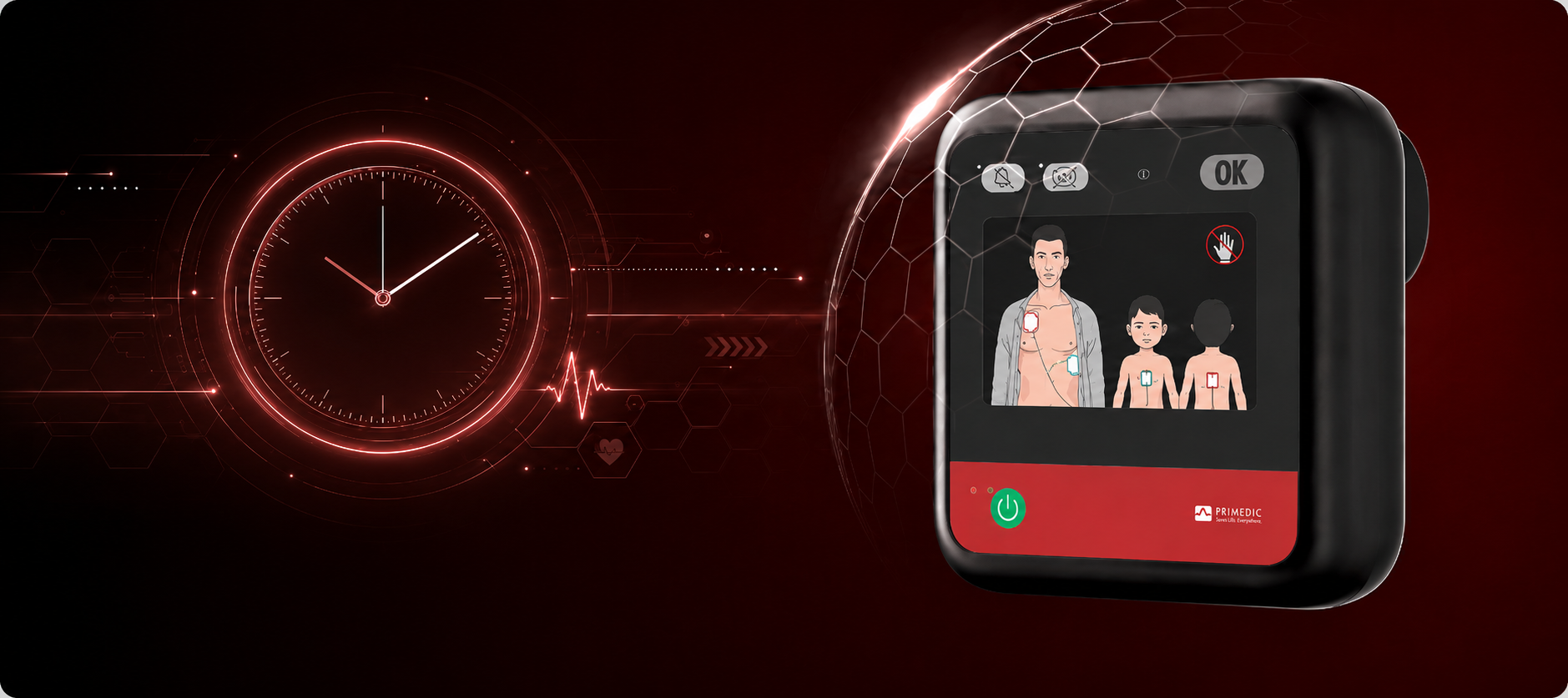
The device is designed to guide operators to begin resuscitation in cases of suspected cardiac arrest, analyze the victim's electrocardiogram, perform defibrillation via self-adhesive electrodes when shock rhythms are present, and guide operators to perform cardiopulmonary resuscitation.
Note: Cardiac defibrillators should only be used under the conditions detailed in this instruction manual.
Warning: Physical injury may lead to fatal cardiac arrhythmias.
The device may only be used in the intended manner.
Do not use this device on children under 1 year old.
In an emergency, if the device was previously stored under the correct conditions, it can operate at -20°C for at least 20 minutes.
3.1 Medical Indications
This device is designed to treat victims of cardiac arrest. Patients with cardiac arrest exhibit the following symptoms:
- unconscious
- Lack of normal breathing
3.2 Medical contraindications
These devices should not be used if the patient shows signs of life. Signs of life are:
- Awake state
- breathe
3.3 Expected Patient Group
This device can be used to treat patients aged one year and older.
3.4 Applicable Main Body
The electrodes are attached to the chest of adult patients in an anterolateral position. The electrodes are attached to the chest of pediatric patients in a posterior-posterior position.
The cardiopulmonary resuscitation feedback sensor is applied to the patient's chest, between the nipples.
3.5 Expected Use Environment
This device will be used to provide life support to patients in pre-hospital settings during emergency situations. The intended use environment is detailed in Appendix D.
According to IEC 60601-1, the equipment is classified as "transportable" and can be transported by road ambulance.
3.6 Expected User Profile
- layperson who has received AED first aid training
- Laypeople trained in basic or advanced life support systems
- Qualified medical personnel who have received resuscitation training
Note: This device can be used by untrained laypeople in emergency situations, which is essential for saving human lives.
3.7 Clinical benefits
It helps with early defibrillation and improves the survival rate of patients with cardiac arrest.

Leave a comment
This site is protected by hCaptcha and the hCaptcha Privacy Policy and Terms of Service apply.